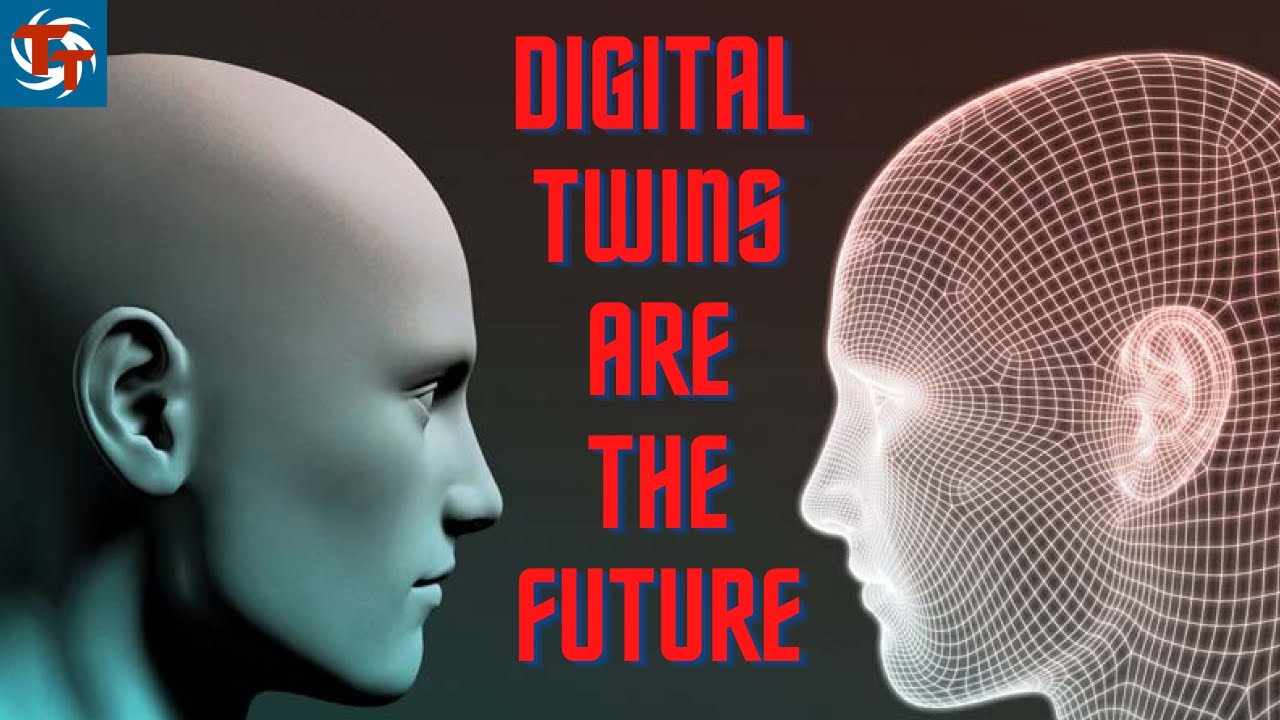
In an era defined by data and digital transformation, a powerful technological concept is quietly reshaping the foundation of how we design, build, operate, and maintain the physical world. This concept is the Digital Twin. More than just a sophisticated 3D model or a simple simulation, a digital twin is a dynamic, virtual representation of a physical object, system, or process that is connected to its real-world counterpart through a continuous flow of data. This live connection allows for unprecedented levels of analysis, monitoring, and experimentation. This article delves deep into the world of digital twins, exploring how they are fundamentally revolutionizing industries, driving efficiency, fostering innovation, and creating a new paradigm for problem-solving.
Demystifying the Digital Twin: Beyond a Simple Model
To truly appreciate the revolution, one must understand what a digital twin is—and what it is not. It is not a static CAD drawing created during the design phase and forgotten. It is not a one-off simulation that runs in isolation. A digital twin is a living entity that evolves throughout the entire lifecycle of its physical twin.
The core components of a functional digital twin include:
A. The Physical Entity: The actual asset in the real world, whether it’s a jet engine, a building, a human heart, or an entire city.
B. The Virtual Model: The detailed digital replica that exists in a computational environment.
C. The Bi-Directional Data Link: The critical connection, often facilitated by Internet of Things (IoT) sensors, that streams real-time data from the physical asset to the virtual model. This data can include performance metrics, environmental conditions, operational status, and more. In advanced applications, commands can also be sent from the digital twin back to the physical asset to implement changes.
This constant dialogue enables the digital twin to mirror the health, status, and behavior of its physical counterpart with remarkable accuracy, creating a sandbox for innovation and a crystal ball for predictive insights.
The Engine Room: Core Technologies Powering Digital Twins
The digital twin revolution is not powered by a single technology but by a powerful convergence of several cutting-edge innovations.
A. Internet of Things (IoT): IoT sensors are the nervous system of a digital twin. Embedded in the physical asset, they provide the continuous stream of real-time data on temperature, pressure, vibration, location, and countless other variables that animate the virtual model.
B. Artificial Intelligence and Machine Learning (AI/ML): AI and ML algorithms are the brain. They process the massive influx of data from the IoT sensors to identify patterns, predict outcomes, automate decision-making, and generate actionable insights. They can learn from the data to continuously improve the accuracy of the twin’s simulations.
C. Cloud Computing: The cloud provides the essential infrastructure and scalable computational power needed to store the vast amounts of data generated and to run complex simulations and analyses without overwhelming local systems.
D. Advanced Analytics and Visualization: This technology translates complex data sets into intuitive, often graphical, interfaces. This allows engineers, managers, and executives to understand the status of the asset at a glance and interact with the digital twin effectively.
E. 5G Connectivity: The high speed, low latency, and massive device connectivity of 5G networks are crucial for applications requiring real-time responsiveness, such as autonomous vehicles or remote surgery, ensuring the data link between the physical and digital is instantaneous.
Industry-Specific Transformations: The Digital Twin in Action
The theoretical potential of digital twins becomes staggering when applied to specific sectors. Here’s how they are making waves across global industries.
A. Manufacturing and Industrial Operations
Manufacturing was an early adopter and remains a primary beneficiary of digital twin technology.
-
Product Design and Prototyping: Engineers can create and test thousands of virtual prototypes under countless scenarios. This “digital first” approach drastically reduces the time and cost associated with physical prototyping, accelerates time-to-market, and leads to higher-quality, better-optimized final products.
-
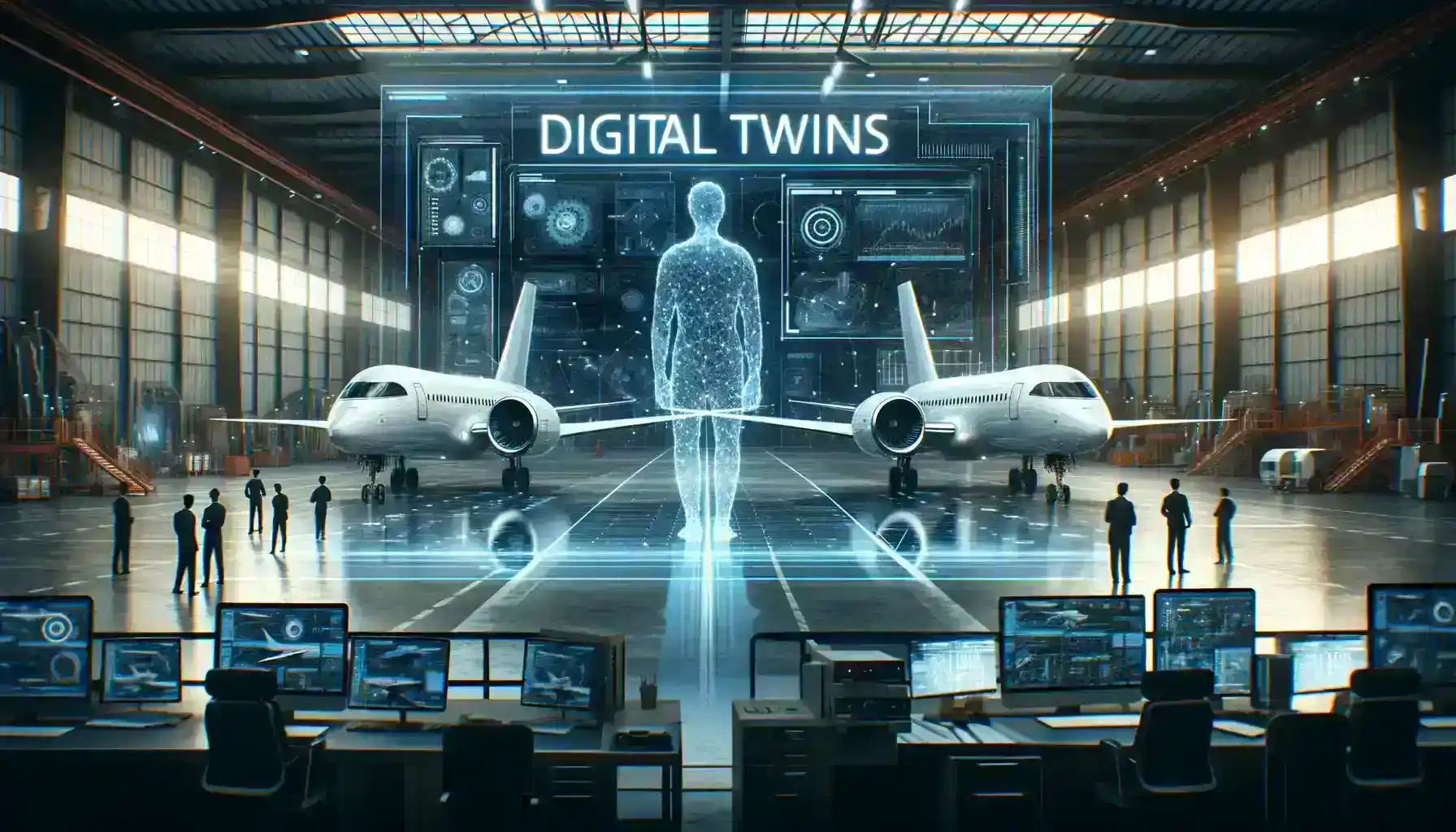
Predictive and Prescriptive Maintenance: Instead of following a rigid maintenance schedule or waiting for a machine to break (reactive maintenance), digital twins predict failures before they happen. By analyzing real-time sensor data, the twin can identify anomalies that indicate a part is nearing the end of its life, allowing maintenance to be scheduled precisely when needed. This minimizes unplanned downtime, extends asset lifespan, and saves millions in lost productivity.
-
Optimized Production Lines: A digital twin of an entire factory floor can simulate production processes to identify bottlenecks, optimize workflow, test the impact of new machinery, and improve overall equipment effectiveness (OEE) without disrupting actual production.
B. Architecture, Engineering, and Construction (AEC)
The AEC industry is leveraging digital twins to bring much-needed efficiency and collaboration to complex projects.
-
Building Information Modeling (BIM) on Steroids: While BIM provides a static 3D model of a building, a digital twin brings that model to life with operational data. It becomes a living representation of the structure throughout its entire lifecycle from construction to decades of operation.
-
Facility Management: For building operators, the digital twin is a powerful tool. It can monitor energy consumption in real-time, optimizing HVAC and lighting systems for maximum efficiency and sustainability. It can guide maintenance crews to the exact location of a fault, manage space utilization, and enhance occupant safety and comfort.
C. Urban Planning and Smart Cities
Cities are among the most complex systems humans create, and digital twins are emerging as the ultimate tool for managing them.
-
City-Scale Simulation and Planning: Urban planners can create a digital twin of an entire city. This allows them to model the impact of new infrastructure projects, simulate traffic patterns to alleviate congestion, plan public transportation routes, and test the city’s resilience to events like floods or mass evacuations.
-
Resource Management: Cities can use twins to optimize the distribution of utilities like electricity and water, manage waste collection routes, and monitor air quality levels across different districts, leading to more sustainable and livable urban environments.
D. Healthcare and Medical Innovation
The application of digital twins in healthcare is profound and holds the potential to personalize medicine.
-
Personalized Patient Twins: By combining medical imaging, genetic data, and real-time biometrics from wearables, clinicians can create a digital twin of an individual patient’s organ (e.g., a heart) or even their entire physiology. This allows doctors to simulate the effects of different treatments, predict disease progression, and practice complex surgical procedures in a risk-free virtual environment before ever touching the patient.
-
Hospital Operations Management: Hospitals can create operational digital twins to manage patient flow, optimize staff schedules, track equipment location, and simulate the response to a mass casualty event, ensuring the facility runs as efficiently as possible.
E. Automotive and Aerospace
These high-stakes industries rely on absolute precision and safety, making them ideal for digital twin integration.
-
Aerospace: In-Flight Monitoring and Maintenance: Jet engines are equipped with countless sensors that feed data to their digital twins during every flight. Airlines and manufacturers can monitor engine health in real-time, predict maintenance needs, and investigate the root cause of any issues after a flight, ensuring unparalleled safety and reliability.
-
Automotive: The Connected Vehicle: Automakers use digital twins throughout a vehicle’s design and testing phase. For connected and autonomous vehicles, the digital twin continues to exist after the car is sold, receiving data about driving patterns, component wear, and software performance, enabling over-the-air updates and personalized services.
Overcoming Implementation Hurdles
Despite their potential, widespread adoption of digital twins faces significant challenges.
A. Data Security and Cybersecurity: A digital twin is a high-value target for cyberattacks. A breach could lead to intellectual property theft or, worse, malicious control over critical physical infrastructure. Robust, end-to-end security protocols are non-negotiable.
B. Integration with Legacy Systems: Many established industries operate on older machinery and software systems that are not designed to connect to a modern IoT ecosystem. Retrofitting these legacy assets can be technically complex and expensive.
C. Data Silos and Interoperability: For a complex digital twin (e.g., of a city), data must be aggregated from multiple departments and systems that often operate in isolation. Breaking down these silos and ensuring different systems can communicate (interoperability) is a major organizational and technical challenge.
D. Cost and Expertise: Developing and maintaining a high-fidelity digital twin requires a significant investment in technology and, more importantly, in skilled personnel like data scientists, AI specialists, and IoT engineers.

The Future Horizon: Where Do We Go From Here?
The evolution of digital twins is far from over. We are moving towards increasingly complex and interconnected systems.
-
The Emergence of the Cognitive Twin: The next step is the cognitive twin, which incorporates even more advanced AI to not only simulate and predict but also to autonomously reason, learn, and make decisions with minimal human intervention.
-
The Network Effect: Twins of Systems: The future lies in interconnecting individual digital twins to create a “system of systems” or a “twin of twins.” For example, the digital twin of a smart grid could interact with the digital twin of a city’s transportation network to optimize energy distribution for electric vehicles.
-
Democratization through Metaverse Integration: As metaverse technologies mature, digital twins could become immersive, interactive 3D environments where teams from across the globe can collaborate in real-time within the virtual replica of a physical asset.
Conclusion: The Bridge Between the Physical and Digital
The digital twin is more than a technological trend; it is a fundamental shift in our relationship with the physical world. It provides a powerful bridge between atoms and bits, enabling a future where we can understand, optimize, and innovate with a clarity and confidence that was previously unimaginable. While challenges remain, the transformative impact across manufacturing, healthcare, urban development, and beyond is already undeniable. Organizations that strategically invest in and adopt digital twin technology today are not just streamlining their operations they are future-proofing their businesses and positioning themselves at the forefront of the next industrial revolution.