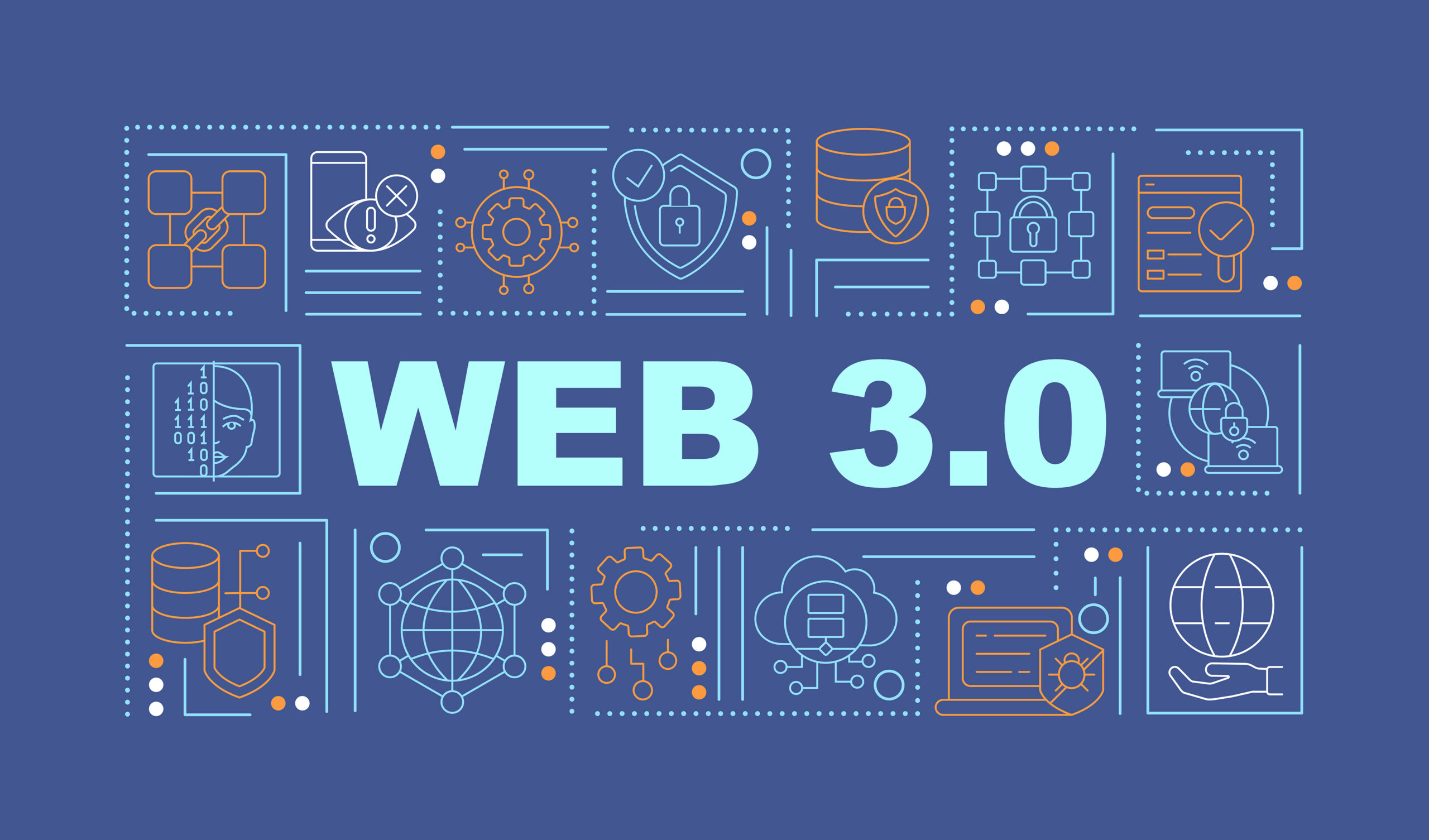
We stand on the precipice of a fundamental transformation in how we interact with the digital world. The internet, as we know it, is undergoing a paradigm shift as significant as the move from static web pages (Web1) to the interactive, social web (Web2). This next evolution, aptly named Web3, promises to reshape the digital landscape by returning power and ownership to users. It’s not merely an upgrade; it’s a complete reimagining of the internet’s core architecture, moving from centralized platforms to a decentralized, user-centric ecosystem. This article serves as your definitive guide to understanding what Web3 is, the groundbreaking technologies powering it, its practical applications, the challenges it faces, and how you can prepare for its imminent arrival.
A. Deconstructing Web3: Beyond Hype to Core Principles
At its heart, Web3 is an umbrella term for a new vision of the internet built on decentralized technologies, primarily blockchains. Unlike Web2, where giants like Google, Meta, and Amazon act as centralized intermediaries controlling data and platforms, Web3 operates on a peer-to-peer network where users have ownership stakes.
The core pillars defining Web3 include:
-
Decentralization: Data is not stored on single servers owned by a corporation but is distributed across a network of computers (nodes). This eliminates single points of failure and control.
-
Trustlessness and Permissionlessness: Interactions and transactions can occur directly between parties without needing to trust a central authority. Furthermore, anyone can participate without needing approval from a governing body.
-
Native Digital Ownership: Through digital assets like cryptocurrencies and Non-Fungible Tokens (NFTs), users can have verifiable and unforgeable ownership of digital items, from art and music to in-game assets and identity credentials.
-
Censorship Resistance: It becomes incredibly difficult for any single entity to block access to services or suppress information, as the network is controlled by a distributed community.
B. The Foundational Technologies Powering the Web3 Ecosystem
Web3 is not powered by a single invention but by a synergistic stack of technologies that work in concert.
1. Blockchain: The Bedrock of Decentralization
A blockchain is a distributed, immutable digital ledger that records transactions in a secure and transparent manner. Think of it as a communal Google Sheet that everyone can see and verify, but no single person can edit or delete past entries. This technology is the foundation for cryptocurrencies like Bitcoin and Ethereum, but its utility extends far beyond digital money.
2. Cryptocurrencies and Tokens: The Native Fuel of Web3
These digital assets are the economic engine of decentralized networks. They are used to:
-
Pay for Services: Compensate miners/validators for securing the network (e.g., paying gas fees on Ethereum).
-
Governance: Holders of governance tokens can vote on proposals that dictate the future of a protocol.
-
Value Transfer: Enable seamless, borderless payments and transactions.
3. Smart Contracts: The Self-Executing Rulebooks
These are programmable contracts that automatically execute the terms of an agreement when predetermined conditions are met. They run on the blockchain, making them transparent and irreversible. For example, a smart contract could automatically release payment to a freelancer the moment a client approves their work, without needing a bank or service like PayPal in the middle.
4. Decentralized Applications (dApps)
These are applications that run on a peer-to-peer blockchain network rather than on centralized servers. They are the Web3 equivalent of the apps we use today but are open-source, transparent, and incentivize users through token rewards. Examples range from decentralized finance (DeFi) platforms to social media networks.
5. Decentralized Autonomous Organizations (DAOs)
DAOs are perhaps the most radical innovation of Web3. They are member-owned communities without centralized leadership. Rules are encoded in smart contracts, and decisions are made via proposals and voting by token holders. This structure allows for global, transparent, and democratic coordination around a common goal, be it managing a treasury, funding projects, or governing a protocol.

C. Real-World Applications: How Web3 is Changing Industries Today
The theoretical potential of Web3 is already materializing into tangible applications that are disrupting established industries.
1. Finance (DeFi – Decentralized Finance)
DeFi aims to recreate and improve upon traditional financial systems lending, borrowing, insurance, trading without intermediaries like banks. Users can lend their crypto assets to earn interest, take out loans using their digital assets as collateral, and trade directly with one another, all through smart contracts. This opens up financial services to anyone with an internet connection.
2. Digital Art, Collectibles, and Media (NFTs)
Non-Fungible Tokens (NFTs) are unique digital certificates of ownership stored on a blockchain. They have revolutionized the creative economy by allowing artists, musicians, and creators to monetize their work directly and receive royalties automatically on every future sale. This empowers creators and provides collectors with verifiable proof of authenticity and ownership.
3. Gaming and the Metaverse (Play-to-Earn & True Asset Ownership)
Web3 is transforming gaming from a hobby into a potential livelihood through the “play-to-earn” model. In-game assets (characters, weapons, land) can be owned as NFTs by the player, not the game company. This means players can truly own, trade, and sell their hard-earned assets, creating a player-driven economy. This concept is fundamental to the development of the open metaverse.
4. Digital Identity and Data Sovereignty
In Web2, our digital identities are fragmented and owned by the platforms we use (e.g., your Facebook or Google profile). Web3 enables self-sovereign identity (SSI), where users control their own identity data through portable digital profiles. You can choose what information to share and with whom, without relying on a central provider, drastically reducing data breaches and misuse.
5. Supply Chain Management
Blockchain’s immutable ledger is perfect for tracking the provenance of goods. Companies can record every step of a product’s journey from raw material to store shelf on a blockchain. This provides consumers with undeniable proof of authenticity, ethical sourcing, and freshness, which is invaluable for industries like pharmaceuticals, luxury goods, and food.
D. The Inevitable Hurdles: Challenges and Criticisms on the Road to Adoption
Despite its promise, the path to a Web3 future is not without significant obstacles.
-
Scalability: Many blockchain networks, particularly Ethereum, struggle with high transaction fees (gas fees) and slow processing times during peak usage. Scaling solutions like Layer 2 rollups and new consensus mechanisms are being developed to address this.
-
User Experience (UX): The current user journey for interacting with dApps managing private keys, setting up wallets, understanding gas fees is often clunky and intimidating for non-technical users. Mass adoption hinges on creating seamless, intuitive experiences.
-
Regulatory Uncertainty: Governments worldwide are grappling with how to regulate cryptocurrencies, DeFi, and NFTs. Clear and sensible regulation is needed to protect consumers without stifling innovation.
-
Environmental Concerns: Proof-of-Work (PoW) blockchains, like Bitcoin and formerly Ethereum, consume vast amounts of energy. The industry is rapidly shifting towards more energy-efficient consensus mechanisms like Proof-of-Stake (PoS), which Ethereum successfully transitioned to in “The Merge.”
-
Security and Scams: While the underlying blockchain is secure, the ecosystem is rife with vulnerabilities in smart contract code, phishing attacks, and fraudulent projects. User education and advanced security audits are critical.

E. Preparing for the Transition: How to Engage with Web3 Today
You don’t need to be a developer to start exploring Web3. Here’s how you can dive in:
-
Set Up a Web3 Wallet: Your wallet is your passport to Web3. It holds your cryptocurrencies and NFTs and allows you to interact with dApps. Popular options include MetaMask (browser extension) and Phantom (for Solana).
-
Explore dApps: Visit platforms like Uniswap (a DeFi exchange), OpenSea (an NFT marketplace), or Audius (a decentralized music streaming service). Observe how they function differently from traditional apps.
-
Join a DAO: Find a DAO aligned with your interests whether it’s investing, philanthropy, or a specific project. Participating in governance discussions is a fantastic way to learn.
-
Educate Yourself Continuously: The space moves incredibly fast. Follow reputable news sources, listen to podcasts, and engage with the community on Twitter and Discord to stay informed.
Conclusion: An Open, User-Centric Internet Awaits
The Web3 future is not a distant speculation; it is being built and used by millions today. While challenges remain, the core promise of a more open, equitable, and user-owned internet is a powerful force driving relentless innovation. This transition will be gradual, but its impact will be profound, touching every aspect of our digital lives. By understanding its principles, engaging with its platforms, and critically evaluating its progress, we can all play a part in shaping an internet that truly serves its users, not just its gatekeepers. The revolution is not coming; it is already here.