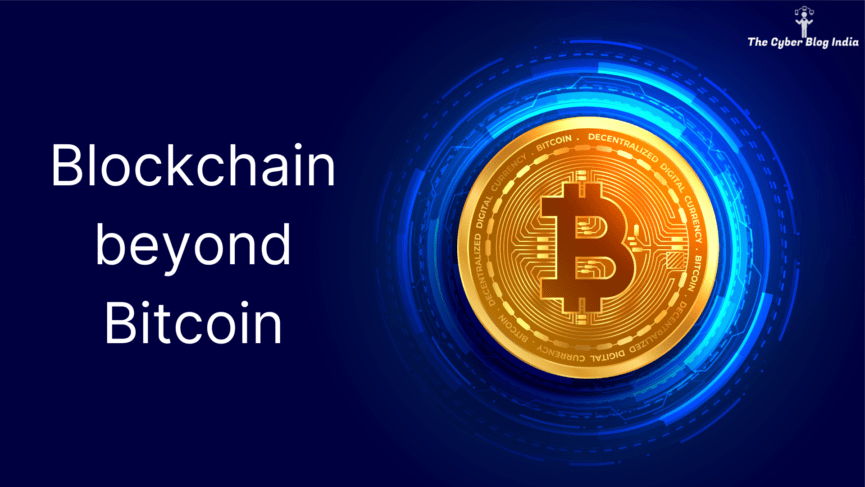
The term “blockchain” has evolved far beyond its original association with cryptocurrencies like Bitcoin. While it began as the foundational technology for a peer-to-peer electronic cash system, its potential has exploded into a universe of disruptive applications. We are now witnessing the dawn of next-generation blockchain solutions sophisticated, scalable, and versatile platforms poised to revolutionize how we interact with data, assets, and each other in the digital realm. This in-depth exploration will dissect the core innovations driving this evolution and uncover the transformative impact these solutions are having across global industries.
A. Understanding the Foundation: More Than Just a Distributed Ledger
At its heart, a blockchain is a decentralized, distributed digital ledger that records transactions across a network of computers. The records, or “blocks,” are linked using cryptography, making them immutable and tamper-proof. This core architecture provides three fundamental value propositions:
A. Decentralization: Unlike traditional databases controlled by a central authority (e.g., a bank or government), a blockchain is maintained by a network of nodes. This eliminates single points of failure and control, fostering a trustless environment where participants can transact directly.
B. Immutability: Once a transaction is recorded and confirmed on the blockchain, it is virtually impossible to alter. This creates an indelible and auditable history of all transactions, providing unparalleled data integrity.
C. Transparency: While privacy can be maintained through cryptographic techniques, the ledger itself is often transparent. Transactions are visible to all network participants, building a new layer of accountability and trust.
Next-generation solutions build upon this foundation by addressing the limitations of earlier blockchains, such as Bitcoin and Ethereum’s first iterations, which often struggled with scalability, high energy consumption, and limited functionality.
B. Core Innovations Powering the Next Wave
The current blockchain revolution is fueled by several key technological breakthroughs that solve critical problems and unlock new possibilities.
B.1. Smart Contracts and Programmable Blockchains
Smart contracts are self-executing contracts with the terms of the agreement directly written into code. They automatically execute actions like releasing funds or registering an asset when predetermined conditions are met. Platforms like Ethereum, Solana, and Cardano have turned blockchains into global, programmable computers, enabling the creation of decentralized applications (dApps) that run exactly as programmed without any downtime, censorship, fraud, or third-party interference.
B.2. Consensus Mechanisms: Proof-of-Stake (PoS) and Beyond
The energy-intensive Proof-of-Work (PoW) consensus mechanism, used by Bitcoin, is being superseded by more efficient models. Proof-of-Stake (PoS), adopted by Ethereum 2.0, allows users to “stake” their crypto holdings to validate transactions and create new blocks. This reduces energy consumption by over 99%. Further innovations like Delegated Proof-of-Stake (DPoS), Proof-of-History (PoH), and Proof-of-Authority (PoA) offer even greater scalability and speed for specific enterprise and consumer use cases.
B.3. Layer-2 Scaling Solutions
To overcome transaction speed and cost bottlenecks, Layer-2 (L2) solutions process transactions off the main blockchain (Layer-1) before bundling and anchoring them back to the mainnet. Technologies like:
-
Rollups (Zero-Knowledge Rollups and Optimistic Rollups) perform computations off-chain and post compressed data on-chain.
-
State Channels allow participants to conduct numerous transactions off-chain, only settling the final state on the blockchain.
-
Sidechains are independent blockchains that run parallel to the mainchain and operate with their own consensus models.
These L2 solutions are critical for achieving the throughput necessary for mass adoption.
B.4. Interoperability Protocols
The future is multi-chain. Interoperability protocols enable different blockchains to communicate and share information seamlessly. Projects like Polkadot (with its parachains), Cosmos (with the Inter-Blockchain Communication protocol), and cross-chain bridges allow assets and data to flow freely between previously isolated networks, creating a cohesive and interconnected blockchain ecosystem.
B.5. Zero-Knowledge Proofs (ZKPs)
ZKPs are a cryptographic method that allows one party to prove to another that a statement is true without revealing any information beyond the validity of the statement itself. This technology is paramount for enhancing privacy on transparent blockchains, enabling confidential transactions and identity verification without exposing sensitive underlying data.

C. Transformative Applications Across Major Sectors
The theoretical potential of blockchain is now materializing into practical, world-changing applications.
C.1. Finance and Decentralized Finance (DeFi)
Blockchain is fundamentally restructuring the financial sector. DeFi uses smart contracts to create decentralized versions of traditional financial instruments—lending, borrowing, trading, insurance, and earning interest—without intermediaries like banks. This opens up financial services to the unbanked population, creates transparent and efficient markets, and allows for 24/7 global access to capital. Furthermore, Central Bank Digital Currencies (CBDCs) are being explored by over 90% of the world’s central banks, leveraging blockchain for a more efficient and inclusive digital currency system.
C.2. Supply Chain Management and Logistics
Blockchain brings end-to-end visibility and traceability to complex supply chains. By recording every step of a product’s journey from raw material origin to manufacturing, shipping, and retail on an immutable ledger, companies can:
-
Ensure Provenance and Authenticity: Consumers can verify the ethical sourcing of diamonds or the organic status of food.
-
Increase Efficiency: Automate processes with smart contracts that trigger payments upon delivery confirmation.
-
Improve Recall Management: Instantly identify and isolate contaminated products, saving lives and reducing waste.
C.3. Digital Identity and Self-Sovereign Identity (SSI)
Current digital identity systems are fragmented, insecure, and prone to data breaches. Blockchain enables Self-Sovereign Identity (SSI), where individuals own and control their identity credentials without relying on central authorities. Users can create a portable, verifiable digital identity to access services, prove their age, or open bank accounts, sharing only the specific information required and drastically reducing identity theft.
C.4. Healthcare and Medical Records
Patient data is often siloed across different hospitals and clinics. A blockchain-based system can create a secure, unified, and immutable patient record accessible only by authorized providers and the patient themselves. This improves diagnosis, streamlines care, and facilitates medical research while maintaining strict patient privacy and consent through cryptographic controls.
C.5. Intellectual Property, Royalties, and the Creative Economy
Non-Fungible Tokens (NFTs) are blockchain-based tokens that represent unique ownership of digital or physical assets. For artists, musicians, and creators, NFTs revolutionize monetization by:
-
Ensuring they receive a royalty percentage from every future sale of their work on the secondary market.
-
Providing verifiable proof of authenticity and ownership, combating piracy and forgery.
-
Creating new avenues for fan engagement and community building.
C.6. Voting and Governance
Blockchain can modernize electoral systems and corporate governance by enabling secure, transparent, and auditable voting. Votes recorded on a blockchain are immutable and can be verified by the voter, eliminating fraud and increasing trust in the democratic process. This applies to national elections, shareholder meetings, and decentralized autonomous organization (DAO) proposals.
C.7. Real Estate and Asset Tokenization
Blockchain simplifies the notoriously complex and paper-heavy real estate industry through tokenization. Physical assets like property, art, or commodities can be represented as digital tokens on a blockchain. This allows for fractional ownership, making investments accessible to a wider audience, and streamlines the buying and selling process with smart contracts that automate titles, deeds, and escrow.
D. Navigating the Challenges and Roadblocks
Despite its immense promise, the path to widespread blockchain adoption is not without obstacles.
D.1. Regulatory Uncertainty and Compliance
Governments worldwide are grappling with how to regulate this new technology. Clear and consistent regulatory frameworks are needed to protect consumers, prevent illicit activities, and provide businesses with the certainty required to invest and innovate. Navigating Know Your Customer (KYC) and Anti-Money Laundering (AML) laws in a decentralized environment remains a complex challenge.
D.2. Scalability and Environmental Concerns
While L2 solutions and PoS are alleviating these issues, the public perception of blockchain’s energy consumption persists. Continuous innovation is required to ensure networks can handle global transaction volumes sustainably and efficiently.
D.3. User Experience (UX) and Onboarding
Interacting with blockchain applications often requires managing private keys, understanding gas fees, and navigating unfamiliar interfaces. For mass adoption, the user experience must become as intuitive and seamless as using a traditional web or mobile app. Significant work is being done to abstract away the technological complexity.
D.4. Integration with Legacy Systems
For large enterprises, integrating cutting-edge blockchain solutions with decades-old legacy IT infrastructure is a monumental technical and operational challenge. Middleware and interoperability solutions that bridge this gap are critical for enterprise adoption.
E. The Future Outlook: What Lies Ahead for Blockchain?
The trajectory of blockchain technology points toward a future where it becomes an invisible yet integral part of our digital infrastructure. We can anticipate several key trends:
E.1. The Rise of Web3
Blockchain is the backbone of Web3 a vision for a new, decentralized internet where users own their data and digital identities. This represents a paradigm shift from the centralized, corporate-controlled platforms of Web 2.0.
E.2. Convergence with AI and IoT
The combination of blockchain, Artificial Intelligence (AI), and the Internet of Things (IoT) is powerful. Blockchain can provide the secure, auditable data layer that AI models need to train on, while IoT devices can autonomously trigger smart contracts based on real-world data (e.g., a smart fridge automatically ordering and paying for milk).
E.3. Mainstream Enterprise Adoption
As scalability and privacy solutions mature, we will see an acceleration in enterprise adoption across sectors like finance, healthcare, and logistics, moving from pilot projects to full-scale production systems.
E.4. Enhanced Privacy-Focused Solutions
Advancements in zero-knowledge proofs and other privacy-enhancing technologies will become standard, allowing users to benefit from blockchain’s security and transparency without sacrificing their personal data.

Conclusion: Embracing a Decentralized Future
Next-generation blockchain solutions are far more than a speculative trend; they are a foundational technology reshaping the architecture of our digital world. By offering unprecedented levels of trust, transparency, and efficiency, they are solving long-standing problems and creating entirely new economic and social models. While challenges remain, the pace of innovation is relentless. For businesses, developers, and forward-thinking individuals, understanding and engaging with this technology is no longer optional it is essential for navigating and leading in the decentralized future that is already unfolding. The transformation has begun, and its potential is limited only by our imagination.